
There is a detail in the restoration of this building that surprises people when they hear it. For long stretches of the work, the crew at Oakland’s on 9th did not start until nine at night, and did not stop until five in the morning.
Not because anybody wanted to. Because 215 South 9th Street is not a farmhouse on a quiet lot — it is a 1889 brownstone wedged into a working downtown, on a street with restaurants, offices, delivery trucks and neighbors who reasonably expect to sleep, park and open for business. Restoring a building here means the building is not the only thing you have to work around.
The problem with scaffolding in a downtown
Interior work is forgiving. You close a door and nobody outside knows or cares. Exterior masonry work is the opposite: it needs scaffolding, it needs the sidewalk, it needs a place to stage several tons of material, and it is loud. Do that at two in the afternoon on a downtown block and you have taken a lane, blocked a doorway and drowned out somebody’s lunch service.
So the schedule inverted. In the owners’ own words from the time: while we are working on the outside of the Oaklands we work from 9pm to 5am to work around other businesses and traffic. And elsewhere, more bluntly, about the brick joints: we work at night to stay out of the way of the neighbors.
That is not a romantic flourish. It is the actual operating constraint of preserving an old building in a live city centre, and it is the reason the work took as long as it did.
What actually happened between nine and five
The overnight shifts were mostly masonry: scraping, prep, painting and above all repointing — raking out failed joints and replacing the mortar across the whole envelope of the building. The crew mixed their own lime mortar rather than buying modern bagged mix, because the soft, handmade antique brick of an 1889 wall will crack if you point it with something harder than itself. That is the single most common way a well-meaning owner destroys a historic brick building, and the National Park Service preservation briefs spend a lot of pages saying so.
We have told the numbers behind that work in more detail elsewhere — sixty-five windows, four thousand pounds of lime mortar and a salvaged grand staircase — so we will not repeat them here. What that post does not say is when the mortar went in. It went in at night.
The neighbor who fed the night crew
The nicest thing in the record from that period has nothing to do with masonry. It is a thank-you to Nancy Keyes and to Hell’s Kitchen, a couple of blocks down the same street at 80 South 9th, for sending a midnight snack to the overnight crew — with the owner herself delivering it well past her own bedtime.
Hell’s Kitchen is still there, still employee-owned, still serving breakfast all day, and it is one of the easiest walks from our front door. We would tell you to go anyway. We tell you to go slightly harder knowing they fed the people who repointed this building at two in the morning.
Why any of this matters to a guest
Two reasons, and they are both practical.
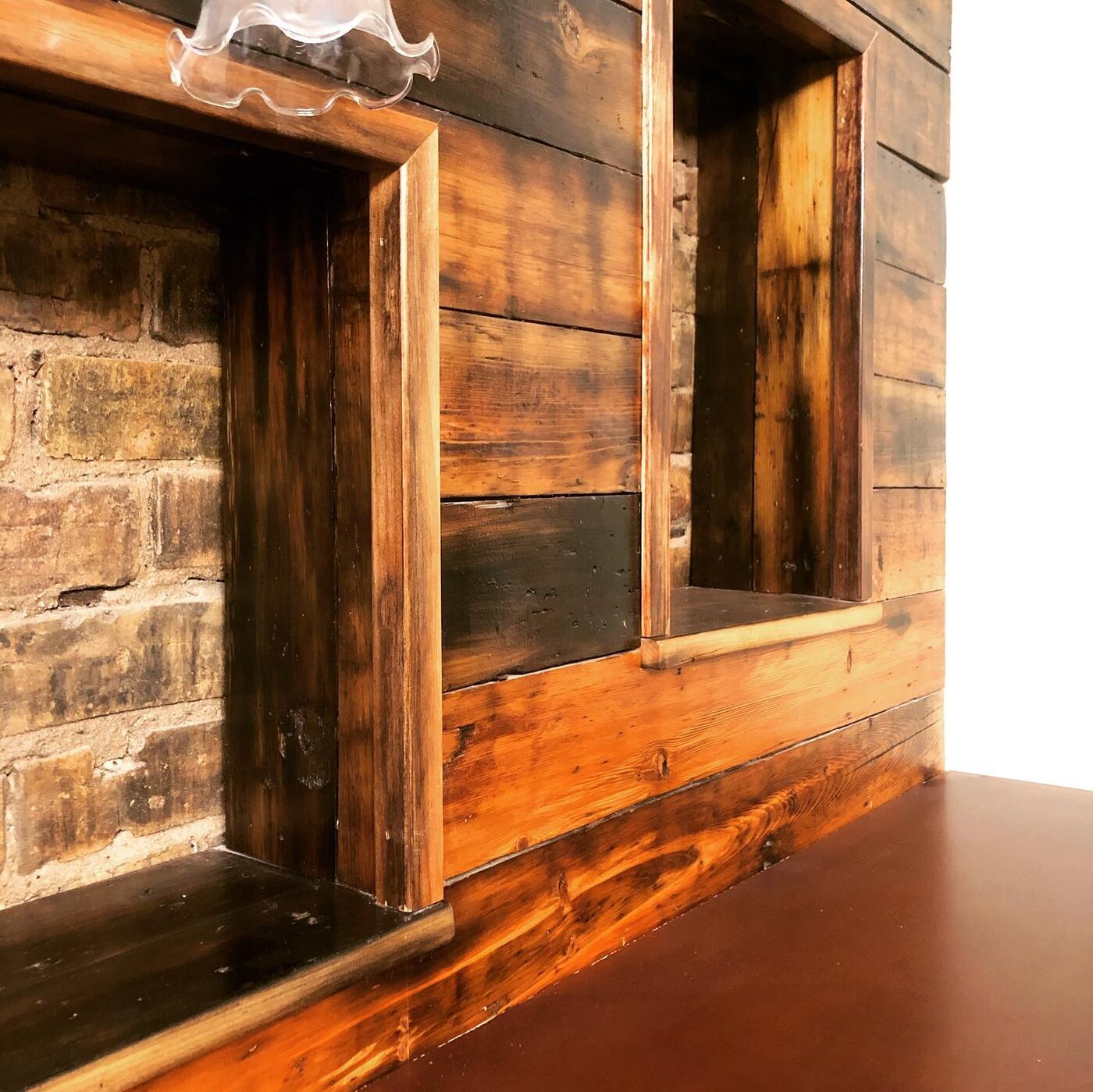
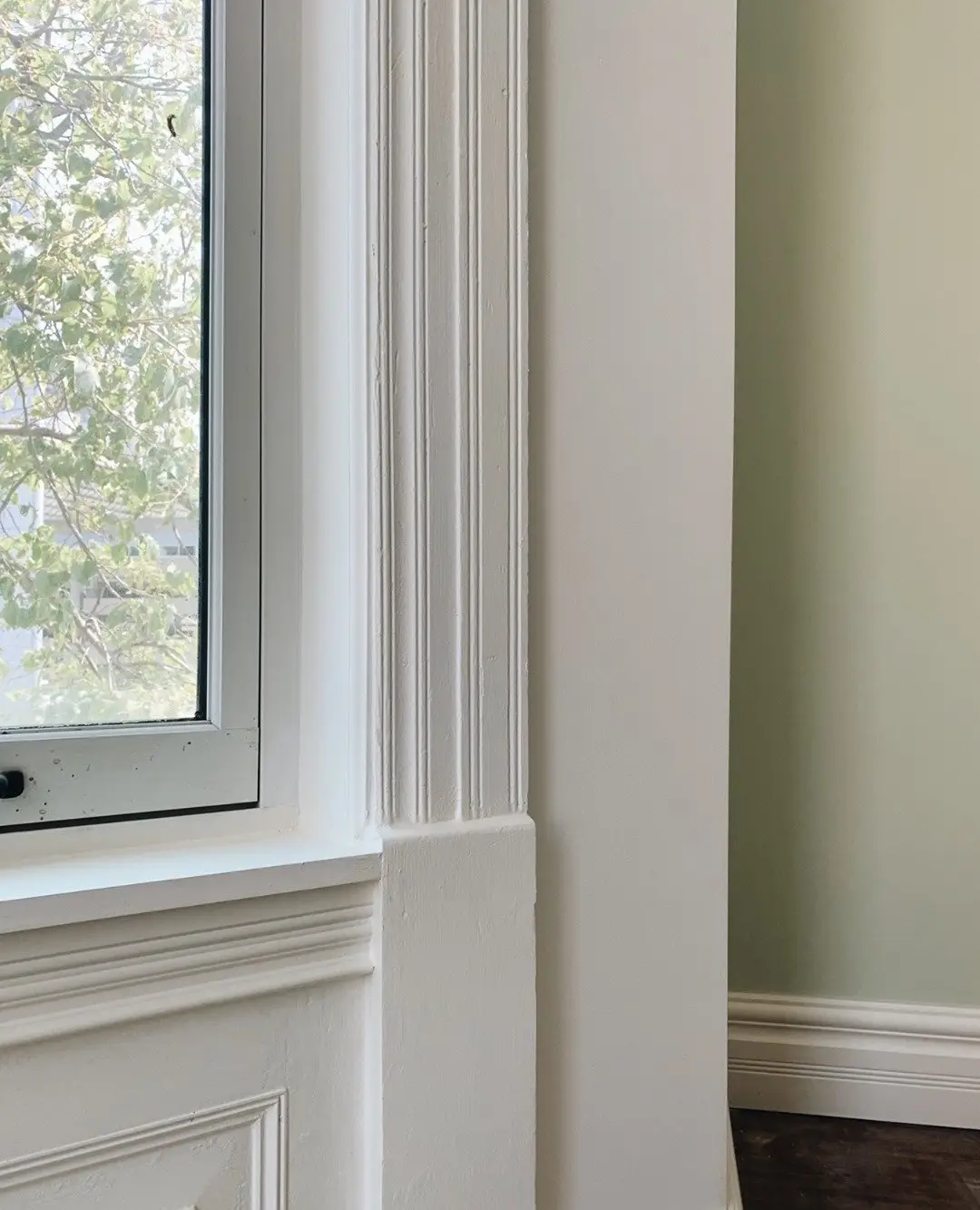
First: the reason the brick, the window trim and the woodwork look the way they do is that somebody chose the slow, correct, inconvenient method over the fast one. You are living inside that decision. The building came within an inch of demolition more than once, and what saved it was people willing to work an inverted clock.
Second: it tells you something honest about the location. This is a real downtown block, not a resort. That is the whole appeal — you are one block from the skyway (you walk that block; we are not connected to it), a short walk from the Armory, Target Center, Orchestra Hall and Nicollet Mall, and close to HCMC and the University medical campus. A building in the middle of everything is a building where the sidewalk belongs to somebody else during business hours.
The rest of the story
If you like this sort of thing, the building keeps producing it. Newspaper from 1889 turned up inside the walls as insulation. The architect was Harry Wild Jones, whose other Minneapolis work you can still go and look at. And the Mill City Museum a few minutes away will tell you what downtown Minneapolis was burning, milling and building in the year this brownstone went up.
For a broader argument about why any of this is worth the trouble, the National Trust for Historic Preservation makes it better than we can.
Come and see it in daylight
Oakland’s on 9th is a furnished, month-to-month studio apartment hotel in downtown Minneapolis — a night, a week or a month, no contracts, with full kitchens, WiFi, all utilities and free laundry included. Some studios are pet friendly. There are three tiers: Good, Better and Best.
Book at secure.webrez.com/hotel/3097, or call us at (612) 314-5124 and ask whatever you like about the building. We are fond of it, and we are happy to talk about the nights.
Keep reading: What’s playing at The Fillmore Minneapolis this fall?