
When the crews opened the walls at Oakland’s on 9th during the restoration, they did not find fibreglass batts, or foam, or the pink stuff every Minnesotan knows. They found newspaper. Wads of it, packed into the cavities between the studs, where somebody had stuffed it by hand in 1889 and nobody had touched it since.
It is one of the small discoveries that makes restoring a 137-year-old building different from renovating a house. You are not just replacing materials. You are reading them.
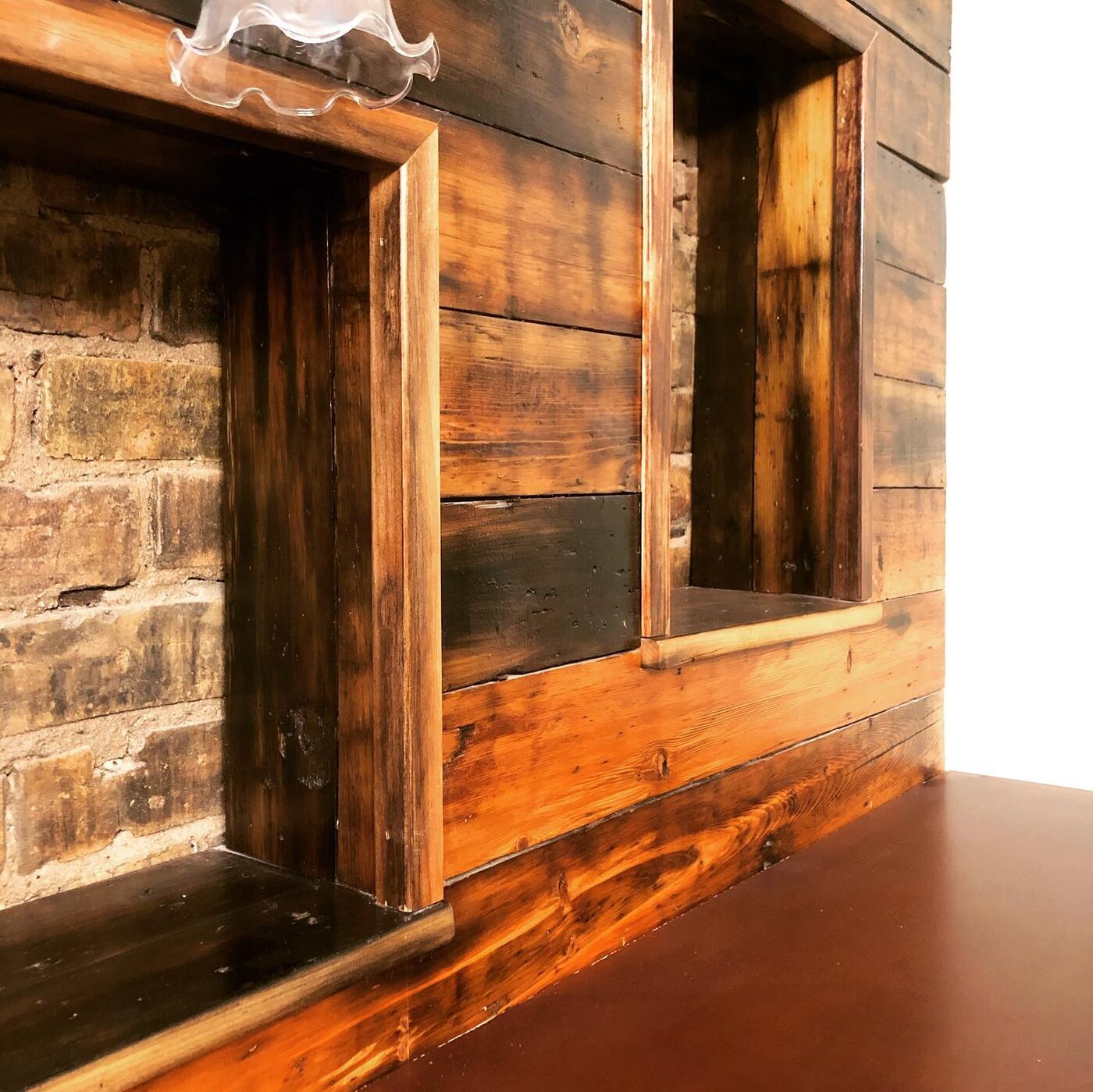
Why 1889 builders insulated with newsprint
Manufactured insulation as we understand it barely existed when this building went up. Mineral wool was a novelty. Fibreglass would not be commercialised until the 1930s. What a Minneapolis builder had in 1889 was masonry mass, a lot of it, and whatever loose material was cheap and to hand.
Newspaper was both. It was abundant in a city with several competing dailies, it cost nothing once it had been read, and packed tight into a wall cavity it does actually slow air movement. Sawdust, wood shavings, corncobs, seaweed and horsehair all turn up in walls of this era for the same reason. The National Park Service’s Preservation Briefs document the same improvised assemblies in nineteenth-century buildings across the country.
None of it was a good insulator by modern standards. But in a brownstone with walls this thick, insulation was never doing the heavy lifting anyway. The masonry was.
A wall that doubles as an archive
The interesting part is not the thermal performance. It is that newsprint is dated. A wall stuffed with newspaper carries its own construction date, printed on it, in a way almost no other building material does.
That is why crews on old buildings tend to stop and read. Advertisements for goods that no longer exist, notices from a Minneapolis that was still building its first generation of downtown brick, prices that look absurd. If you want to see the kind of thing that comes out of a wall like this, the Minnesota Historical Society’s digital newspaper collection has the same papers, scanned, from the same years.
What happened to it
Most of the newspaper came out. It had to — old cellulose packed in a wall is a genuine fire consideration, and the cavities needed to carry modern wiring, plumbing and mechanicals. Where the walls were opened, they were brought up to current standards.
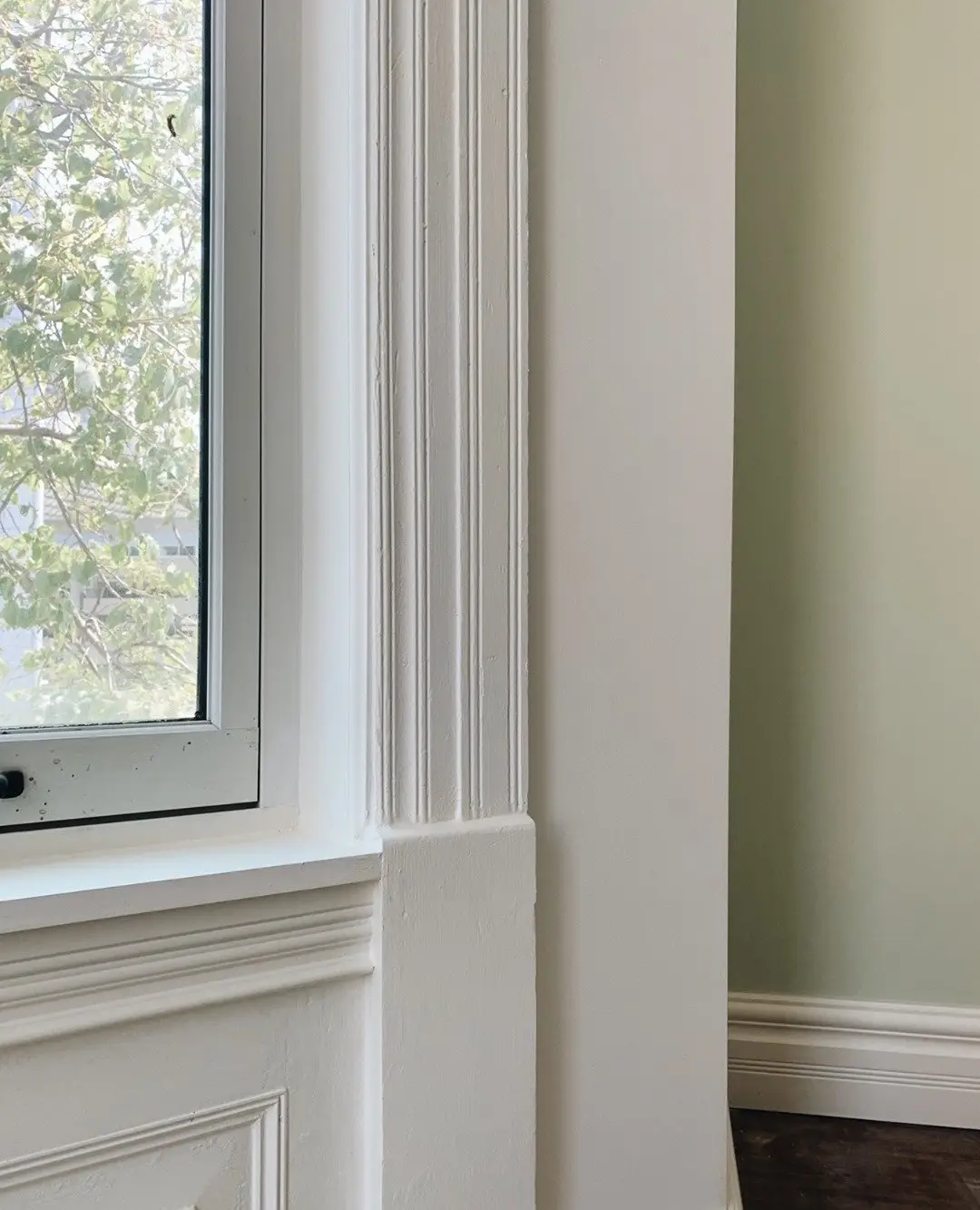
What stayed is the fabric that could be saved: original brick left exposed, window trim stripped and repainted rather than replaced, doors and hardware reused where the originals survived. That approach — keep the historic material, upgrade the systems behind it — is the same principle the National Trust for Historic Preservation argues for, and it is why the building still reads as 1889 from the sidewalk and lives like 2026 inside.
You can see the results in the studios. The exposed brick on some walls is the same brick the newspaper was packed against.
The rest of the building’s story
The newspaper is one chapter. There is also the Richardsonian Romanesque front, the fire that nearly ended the building, and the fact that it was saved from demolition more than once. Everything in the building today sits on top of that.
Stay in it
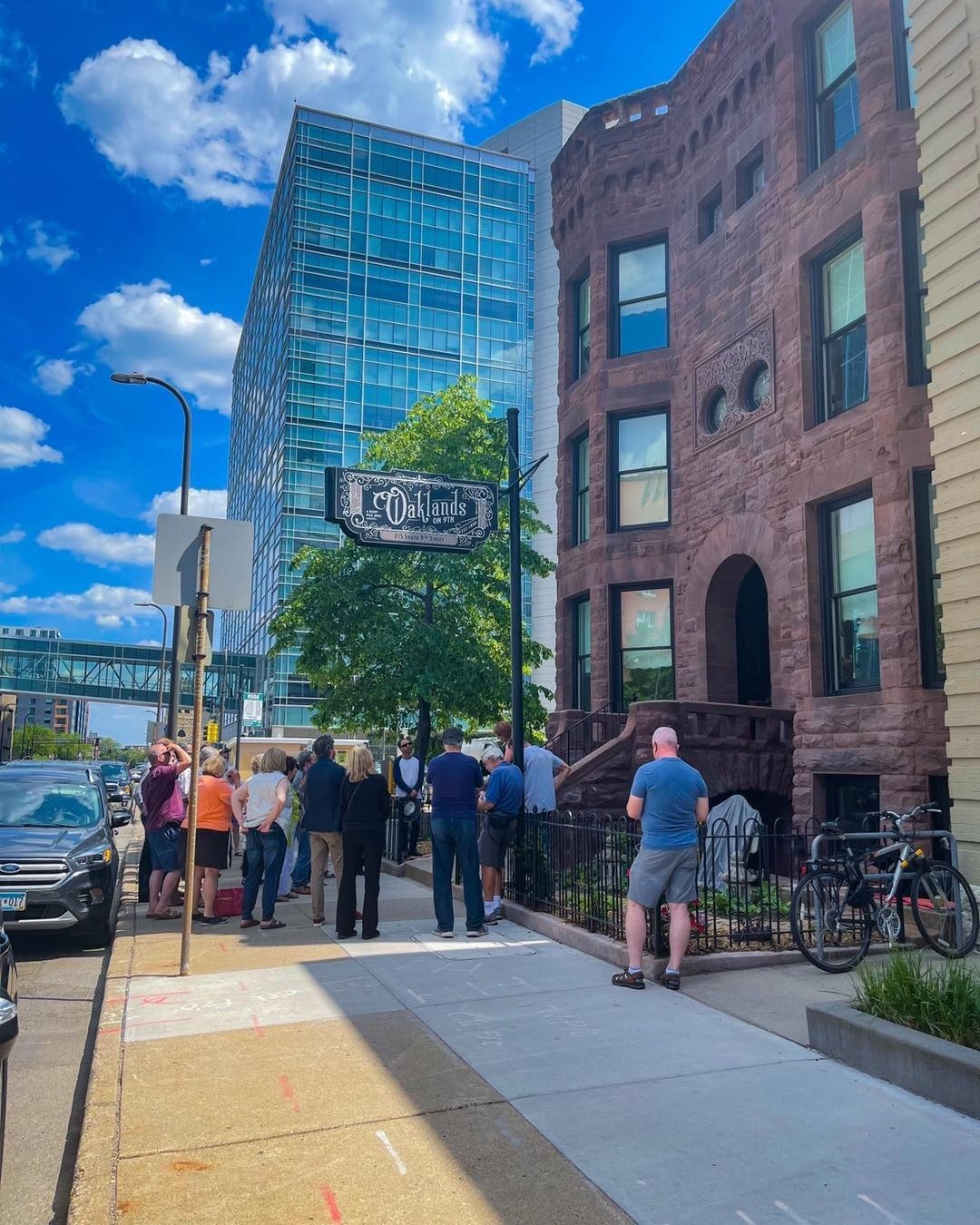
Oakland’s on 9th is at 215 South 9th Street in downtown Minneapolis — furnished studios with full kitchens, WiFi, utilities and laundry included, available by the night, the week or the month, with no contract. Some units are pet friendly. It is a block from the skyway (you walk that block, it is not a skyway-connected building), and walkable to Target Center, the Armory, Orchestra Hall, HCMC and the U of M Medical Center.
Check availability and book, or call us at (612) 314-5124. We are happy to point out which walls are original on the way to your door.
Keep reading: Who Was Harry Wild Jones? and Reclaimed From the Fire.
Keep reading: What Is Winter Actually Like in Downtown Minneapolis? A Guide for Your First One
Update, September 10, 2026: a closer reading of the restoration photographs shows the newsprint found in this wall is from February 17, 1985, not 1889. Read the correction: What Year Is the Newspaper Inside the Walls of Oakland’s on 9th Actually From?