
The 1889 brownstone at 215 South 9th Street was designed by Harry Wild Jones (1859–1935) — and if that name does not ring a bell, it should. Jones ran one of the busiest architectural practices in the Twin Cities, with commissions as far afield as China, India and Burma, and he is responsible for several of the buildings Minneapolis puts on its postcards.
Guests staying with us often ask what else he built. Here is a short walking-and-driving list of the Harry Wild Jones work you can still go and stand in front of.
Lakewood Memorial Chapel (1908–1910)
This is the masterpiece, and it is open to the public. Jones designed the chapel at Lakewood Cemetery, 3600 Hennepin Avenue, after Hagia Sophia in Istanbul, which he had seen on his travels a few years earlier. It is clad in pink-red St. Cloud granite under a red-tiled dome, laid out on a Greek cross plan.
The interior is the part that stops people. Working with Charles Lamb of Lamb Studios in New York, Jones had six Italian mosaicists set more than ten million tesserae — marble, coloured stone, and glass fused with gold and silver. Twelve angels ring the inside of the dome. The clerestory holds twenty-four Art Nouveau stained glass windows that double as a sundial, marking the hour and the season. The Society of Architectural Historians has the full description, and it is worth reading before you go.
Butler Square (1908)
Downtown, in the Warehouse District, the old Butler Brothers Warehouse is Jones at his most muscular: nine storeys of wine-coloured brick built for a mail-order giant. It was converted to offices and retail in the 1970s in what became a much-copied piece of adaptive reuse, and the heavy timber frame is still on show inside. It is about a fifteen-minute walk from our front door, and you pass most of downtown getting there.
The Washburn Park Water Tower
South of the lakes, in Tangletown, Jones designed the stone water tower that gives the neighbourhood its landmark — a circular drum ringed with carved knights, with engineering by William S. Hewett. Sources differ on the completion date, giving both 1931 and 1932; either way it belongs to the very end of Jones’s career, more than forty years after he drew the Oaklands. It is one of three surviving stone water towers in Minneapolis, alongside Kenwood and Prospect Park.
And one that did not survive
Jones also designed the Lake Harriet Pavilion of the 1890s, a shingle-clad pagoda that stood at the north end of the lake. It is long gone — the bandshell you see today is a much later building — but the Minneapolis Park & Recreation Board keeps the lake much as he would have known it. It is a reminder that a surprising amount of Jones’s Minneapolis has been lost.
The one you can sleep in
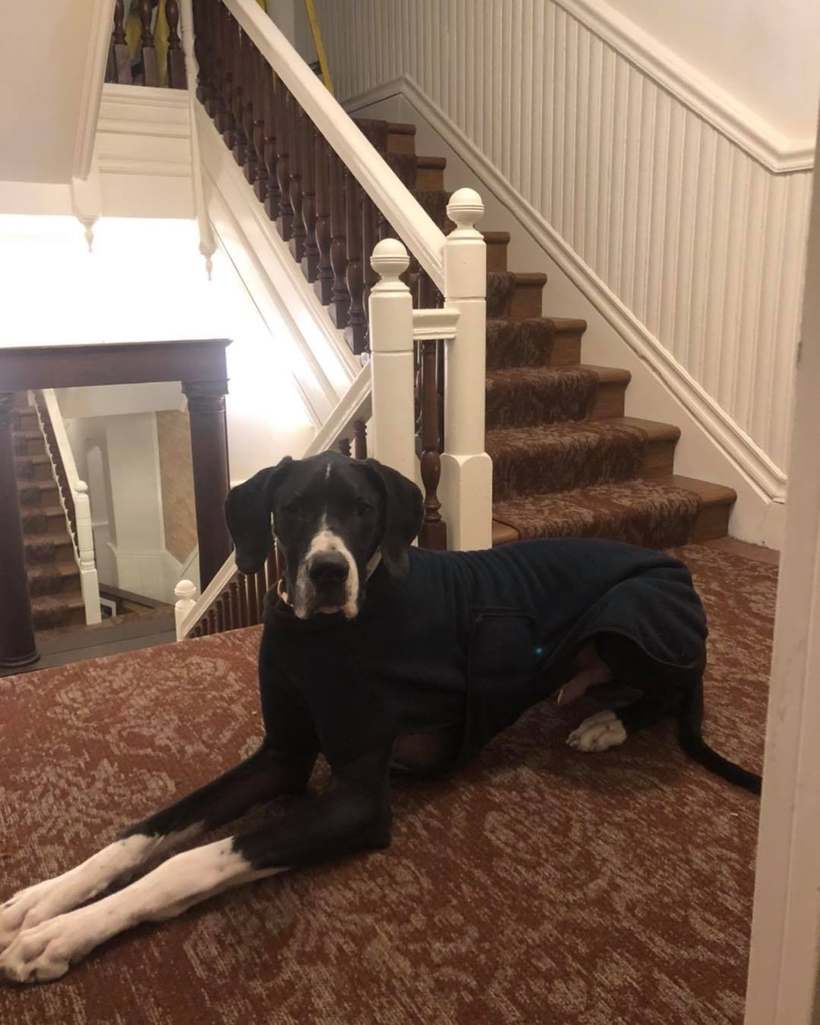
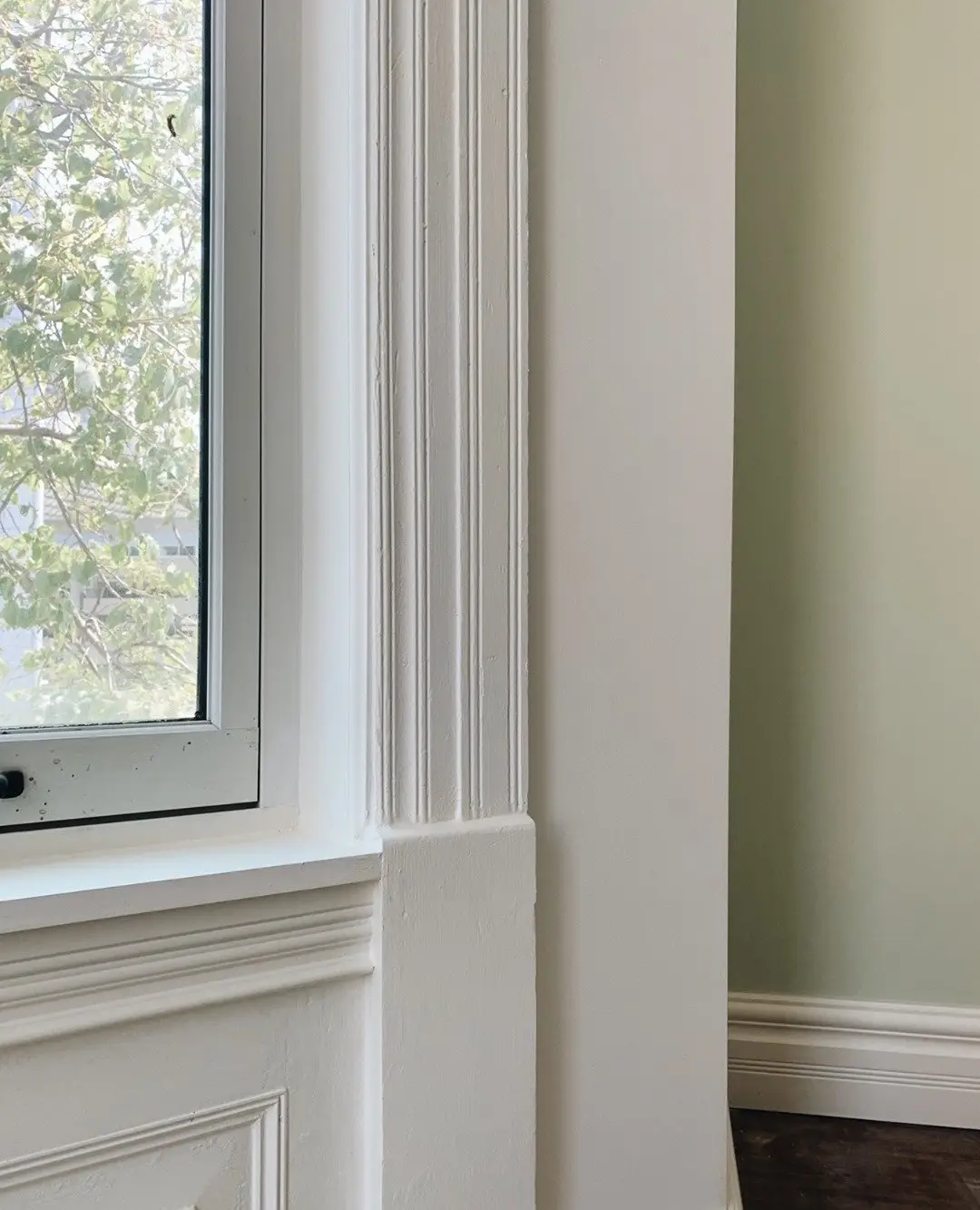
Which brings us back to 215 South 9th Street. The Oaklands is the early Jones — 1889, heavy stone arches, the Richardsonian Romanesque vocabulary he was working in before the domes and the mosaics. It came within a whisker of demolition more than once, and it was restored in 2019 with the original window trim, staircase and brickwork intact. We have written before about who actually built it, and about the 1889 newspaper found inside the walls.
The difference is that the chapel and the water tower are things you look at. This one you can move into. Every studio is fully furnished with a full kitchen, WiFi, all utilities and free laundry included, with no contract — a night, a week, or a month. Some units are pet friendly. Several buildings on this list are on the National Register of Historic Places; only one of them will rent you a bed.
Come stay in a Harry Wild Jones building. Check availability at Oakland’s on 9th, or call us at (612) 314-5124 and we will talk you through the studios.
Keep reading: Things to Do in Downtown Minneapolis in October 2026