
It is the question people ask before they ask about the rent. A brownstone with a building permit pulled in June 1889 looks wonderful in a photograph — but is it going to be freezing in January? In a city where the Minnesota DNR’s Twin Cities climate normals put the average January low around the single digits, that is a fair thing to want an answer to before you sign anything.
The honest answer is that old buildings are cold when nobody has done the work, and warm when somebody has. Here is what the work actually involved at Oakland’s on 9th, and how we know it worked.
What was in the walls before
Newspaper. When the walls first came open during the restoration, the insulation between the studs was crumpled newsprint — which is exactly what a builder in 1889 would have used, and exactly as effective as it sounds a hundred and thirty years later. (There is more on what those papers turned out to say in our post on what was found inside the walls.)
The building had also spent years open to the sky. The roof was gone for three winters, the basement stood under water, and the original boiler system was destroyed by the freezing. Whatever thermal performance the building had in 1889, none of it survived. Everything that keeps the building warm today was rebuilt from nothing.
Sixty-five windows, one at a time
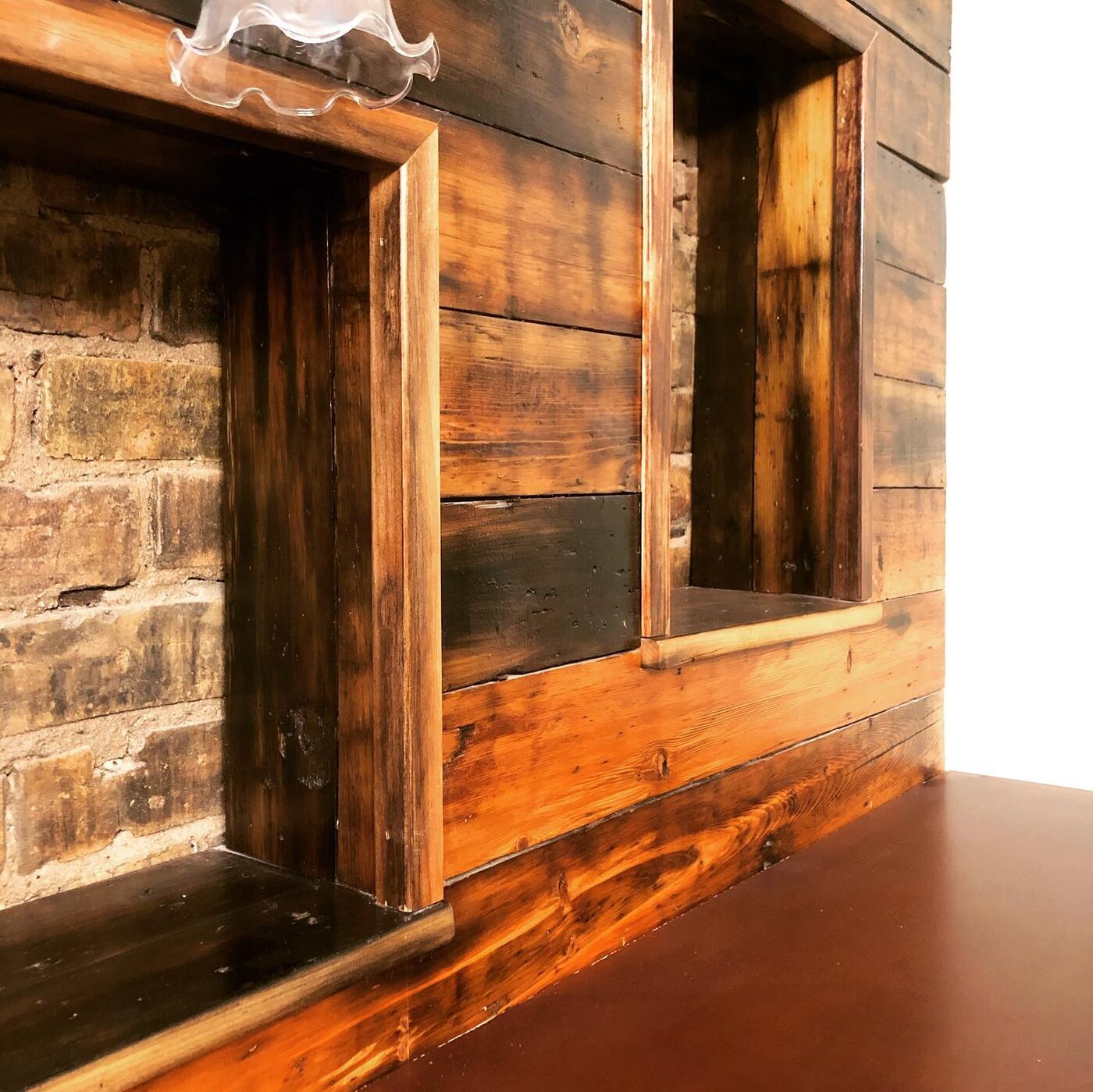
Windows are where an old building loses most of its heat, and there are sixty-five of them here. One craftsman worked through the entire set over roughly eighteen months — removing the destroyed originals, restoring the brick molding and the sills, and fitting the new windows into openings that had shifted over a century. It is slow, unglamorous work and it is the single biggest reason the building holds temperature now.
Four thousand pounds of hand-mixed lime mortar
The brick joints were repointed from top to bottom. Modern Portland-cement mortar is harder than 1889 brick, and over time it damages the brick rather than protecting it — the same principle the National Park Service sets out in its Preservation Briefs on historic masonry. So the mortar was mixed on site to a soft lime recipe matching the original, and about four thousand pounds of it went into the walls. Much of it was laid at night to stay out of the neighbours’ way.
Tight joints do two jobs at once: they keep water out of soft antique brick, and they stop the wind coming through the wall.
Mini-splits instead of ductwork
Rather than force ducts through a hundred-and-thirty-year-old structure, the building was fitted with a mini-split system — each studio gets its own heating and cooling unit, with the compressor on the roof and a single small refrigerant line running down. There are no vents punched through the historic facade and no window air-conditioners hanging out in July.
They also work. In one of the coldest stretches on record here, with outdoor temperatures around twenty below, the mini-splits kept the apartments comfortable. Heat and all other utilities are included in the rent, so there is no January bill waiting to surprise you.
How we know: the blower door test
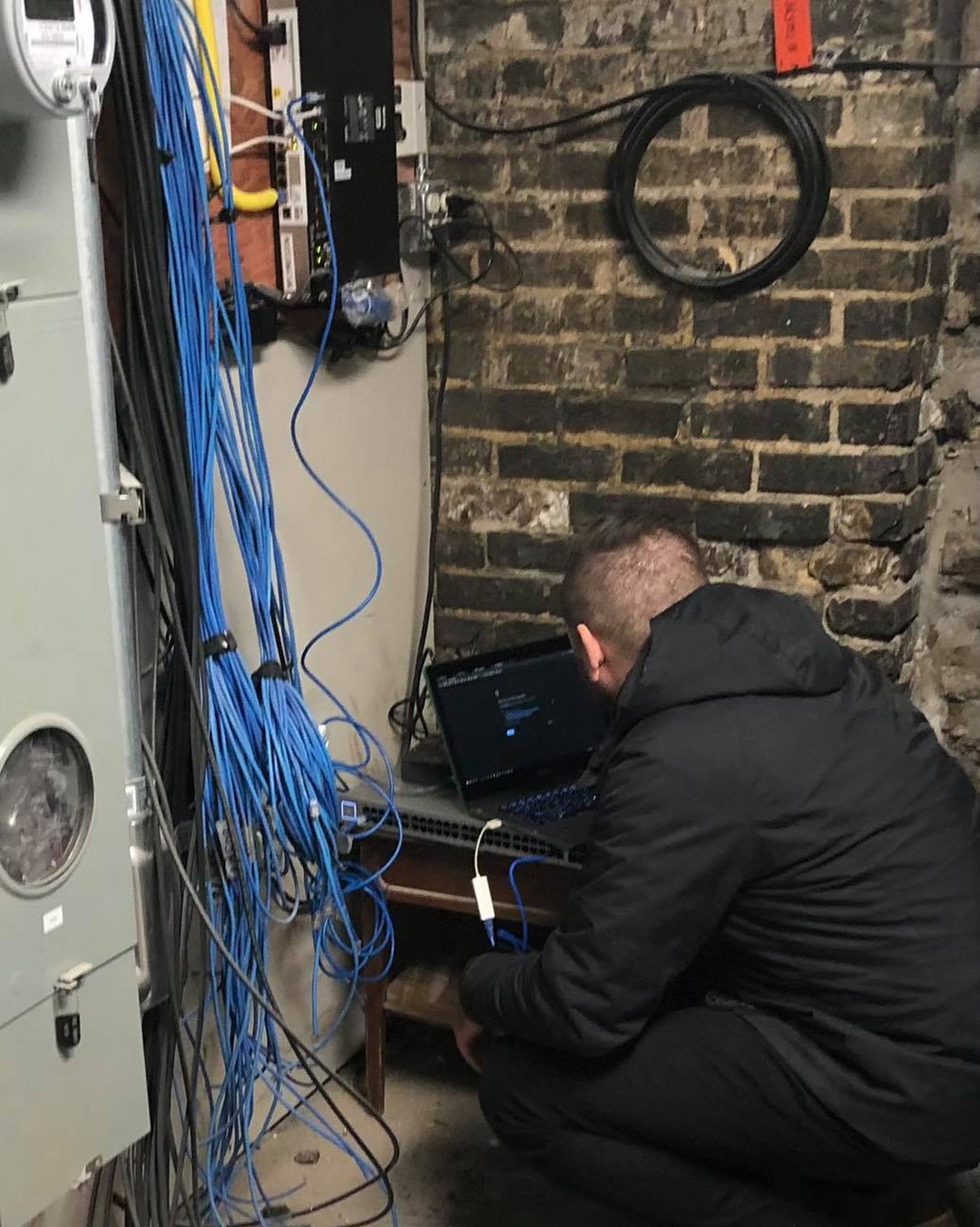
A blower door test is the closest thing a building gets to a physical exam. A calibrated fan is sealed into a doorway, the building is depressurised, and the equipment measures precisely how much air leaks through the envelope. It does not care what your intentions were. It measures what you built.
In January 2021, at the end of the restoration, Oakland’s on 9th passed its blower door test. For a brick building from 1889 that had stood roofless and abandoned, that is the number worth quoting — more than any adjective in a listing.
What that means if you are the one living here
It means the radiator-era complaints about old buildings mostly do not apply. The studios hold heat, the windows do not whistle, the units are quiet, and the utilities are already in the rent along with WiFi and free laundry. What you keep from 1889 is the brick, the light, the tall windows and the staircase — not the draughts.
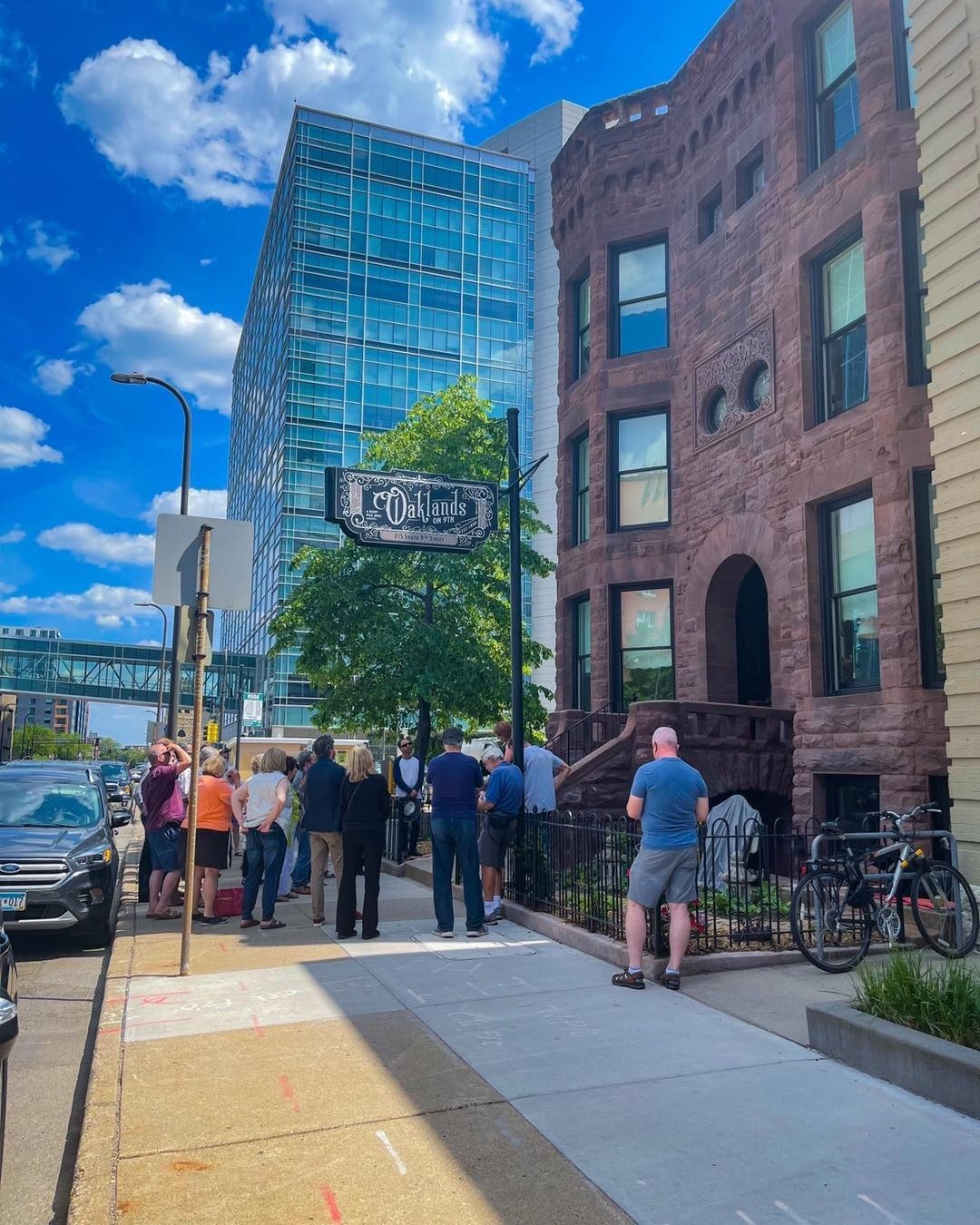
Being downtown helps too. Winter is much easier when the grocery store, the skyway (one block over — the building is not skyway-connected) and the Metro Transit network are all inside a short walk, and a car becomes optional. If you want the broader picture of daily life here, our honest answer on living in an 1889 building covers the rest, and the architectural story of the front facade covers the part you can see from the sidewalk. For how the neighbourhood got here at all, the Minnesota Historical Society’s Mill City Museum is a good place to start.
Come see it in February
The best time to judge whether an old building is warm is when it is cold outside. Oakland’s on 9th offers furnished month-to-month studios at 215 South 9th Street — a night, a week or a month, no contracts, everything included. Check availability and book online, or call us at (612) 314-5124.
Keep reading: Where Do You See a Doctor or Dentist During an Extended Stay in Downtown Minneapolis?