
People ask us a version of this question all the time, usually while standing in the front hall looking up: what is it actually like to live in a building this old? Oakland’s on 9th was built in 1889. It has been a luxury apartment house, a hotel, a near-teardown and a fire-damaged shell, and since 2019 it has been furnished studios again. Here is the honest answer, including the parts a brochure would leave out.
Nothing is perfectly straight, and that is fine
Start with the thing you will notice first. After a full restoration — new windows, rebuilt trim, new floors laid over old structure — the building is still, in the owner’s own words, “a little skewed.” Showers, windows, doors and floors all carry some of the 1889 geometry with them. You can chase that forever in a masonry building of this age, or you can accept it.
The owner’s take, posted from the middle of the project: if the Dutch can live with leaning canal houses for four hundred years, “then it’s just character I guess.” That is roughly the deal. A level laid on a hundred-and-thirty-seven-year-old floor tells you about 1889, not about the quality of the work done since.
Why it is like that: three winters with no roof
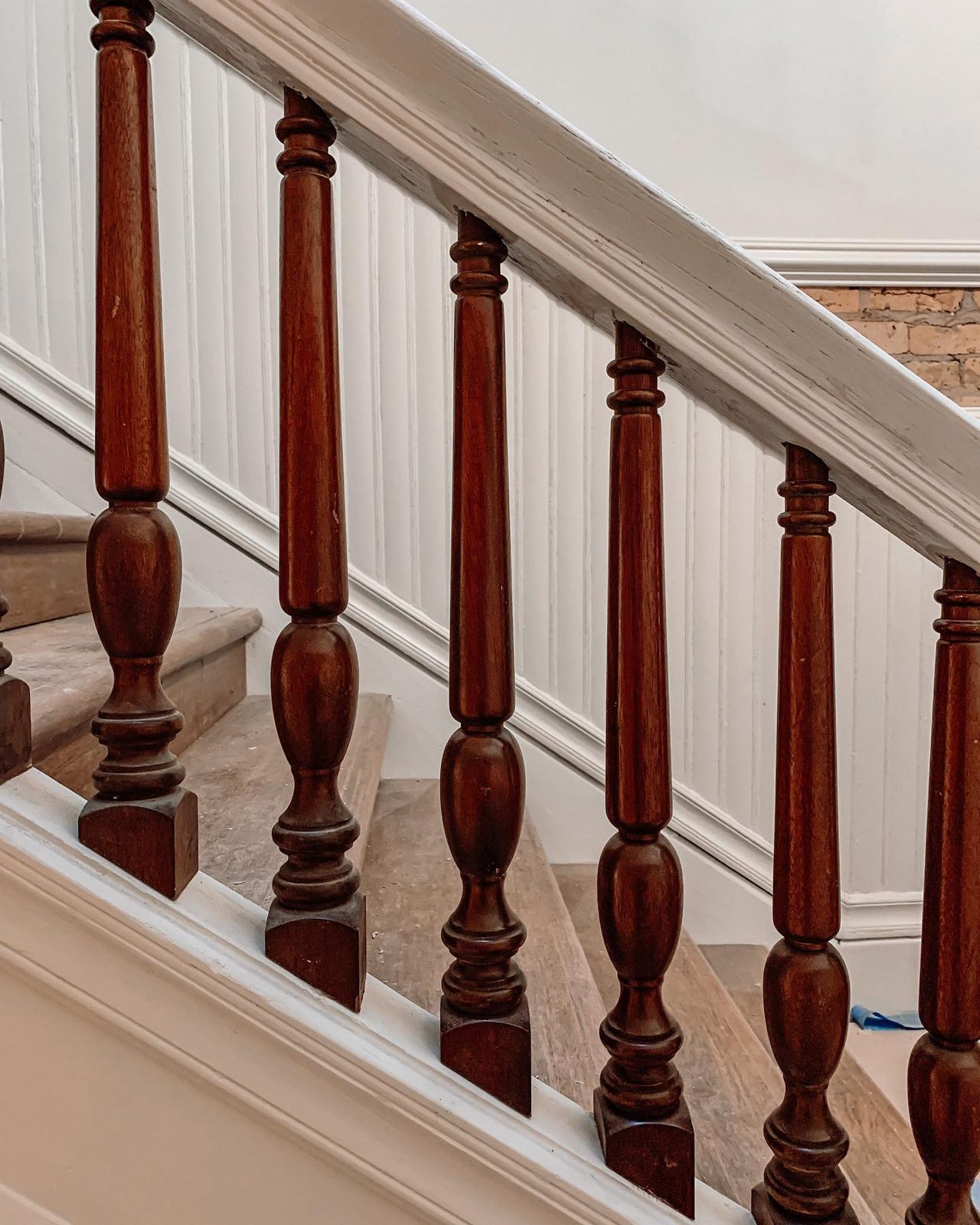
The building was damaged by fire in 2016 and then stood open to the Minnesota weather. Snow fell inside it. The grand staircase — the one you now walk up every day — was rained and snowed on for three winters before a roof went back on, and the owners were not certain it could be saved at all.
It was. Most of that staircase is original. The rest of the restoration ran on the same principle: keep the 1889 material wherever it could be kept, and replace honestly where it could not. That meant sixty-five windows and thousands of pounds of hand-mixed lime mortar, and it meant working overnight so the crews stayed out of the neighbors’ way. The National Park Service preservation briefs explain why soft historic brick needs soft historic mortar — get that wrong and you damage the very thing you are trying to save.

The hallways are narrow. The brick is thick. The light is good.
Nineteenth-century apartment buildings were laid out to a different logic. The corridors here are, as the restoration notes put it, narrow tunnels — original width, original proportion, now painted and lit properly. The exterior walls are load-bearing brownstone and brick, which means they are thick, and thick walls are quiet walls. The stairwell opens to daylight at the top, so the middle of the building is brighter than you would expect.
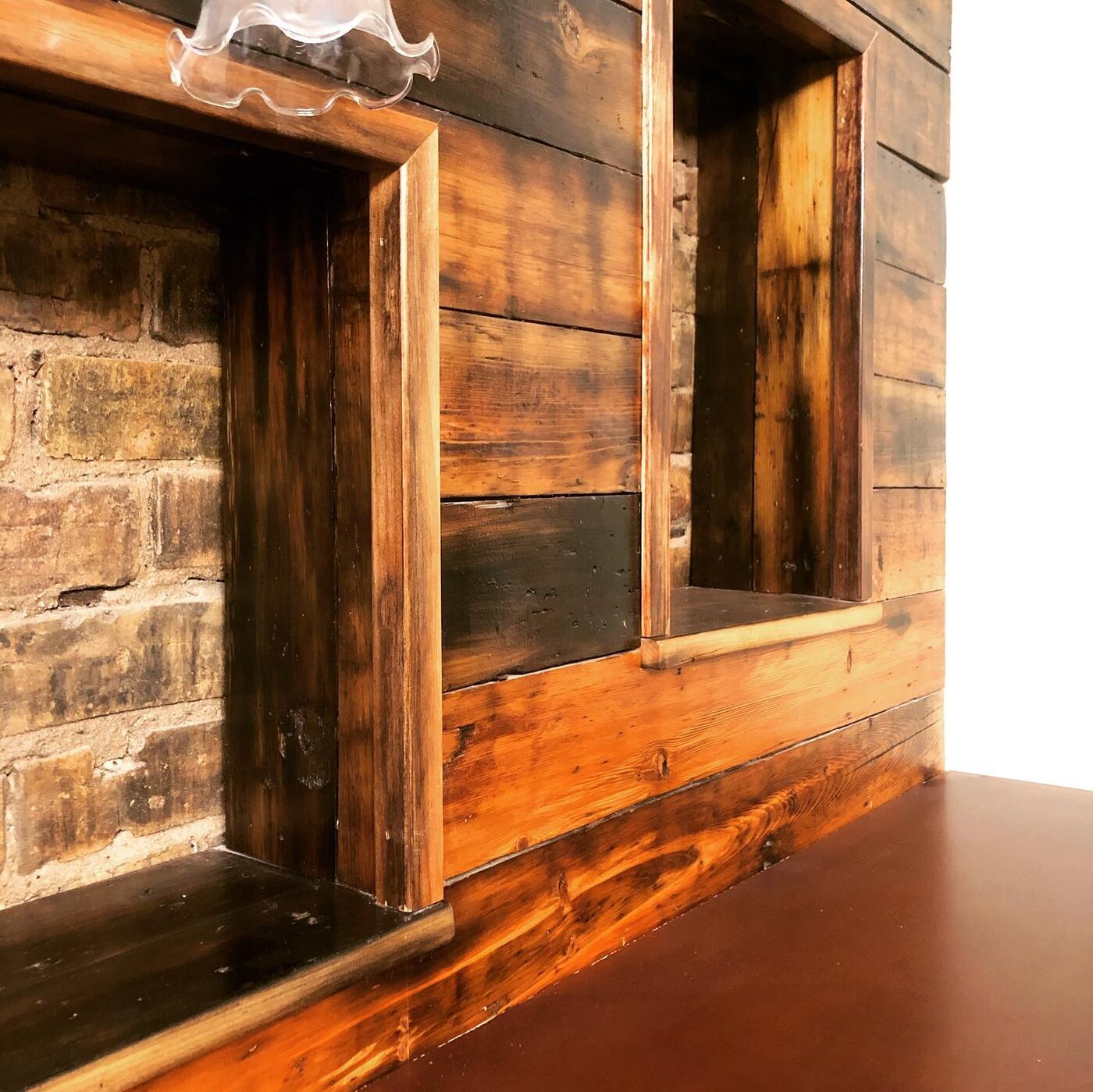
Inside the studios you get exposed original brick in places, reclaimed wood from the building itself, and a different antique light fixture in every unit. None of it is reproduction. Much of it was pulled out of the fire debris and put back.
What is emphatically not from 1889
The romance stops at the mechanical room. Every studio has modern heat and air conditioning and fiber internet, all of it threaded through a building that was designed around coal. Kitchens and bathrooms are new. Laundry is on site and free. WiFi and all utilities, heat included, come with the studio, and there is no lease to sign — a night, a week or a month, your choice.
Because we rent by the month as readily as by the night, longer stays here sit outside the City’s short-term rental regime, which covers most rentals of thirty days or less. That is a quiet advantage for anyone here on a long assignment.
Living in it, day to day
We are at 215 South 9th Street, in the middle of downtown Minneapolis. Target on Nicollet Mall, the Armory, Orchestra Hall, U.S. Bank Stadium and Target Center are all walkable, and the skyway is a block away — you walk that block outside, because the building does not connect to it. Hennepin Healthcare and the University of Minnesota Medical Center are close enough that a good number of our guests are here on medical contracts. For anything beyond a walk, Metro Transit’s trip planner covers it, and most of our residents do not keep a car.
If the history is the part that appeals to you, the National Trust for Historic Preservation is good on why buildings like this one are worth the trouble, and the Mill City Museum — a short walk from our front door — shows you the Minneapolis that existed when this building went up.
So: would you like it?
If you want everything square, silent and new, you will be happier in a 2021 tower. If you would rather your front door open onto a staircase that survived a fire and three roofless winters, and you like being able to read the building’s whole story on your way up to bed, this is the one.
Studios come in three tiers — Good, Better and Best — all fully furnished, some pet friendly. Check availability and book, or call us at (612) 314-5124 and ask anything you like about the crooked floors. We are fond of them.
Keep reading: The Minnesota Orchestra’s 2026–27 Season Opens September 25