
Short answer: no. In February 2021 the Oakland’s on 9th restoration was nominated for a preservation award, the team asked everyone they knew to support it, and then they lost. The post they wrote the next day said so in four words: we didn’t win the Preservation Award.
It is a strange thing to put on a website. But guests ask about it — the building looks like something that ought to have a trophy somewhere — and the honest version of the story is better than the trophy would have been.
What the building was before it was worth an award
The Oaklands is an 1889 brownstone at 215 South 9th Street, and for a long stretch of its life the only lists it appeared on were the bad ones. It was ranked the most endangered building in Minnesota — before the 2016 fire and again after it — and turned up on what the restoration team described as countless most-endangered preservation lists.
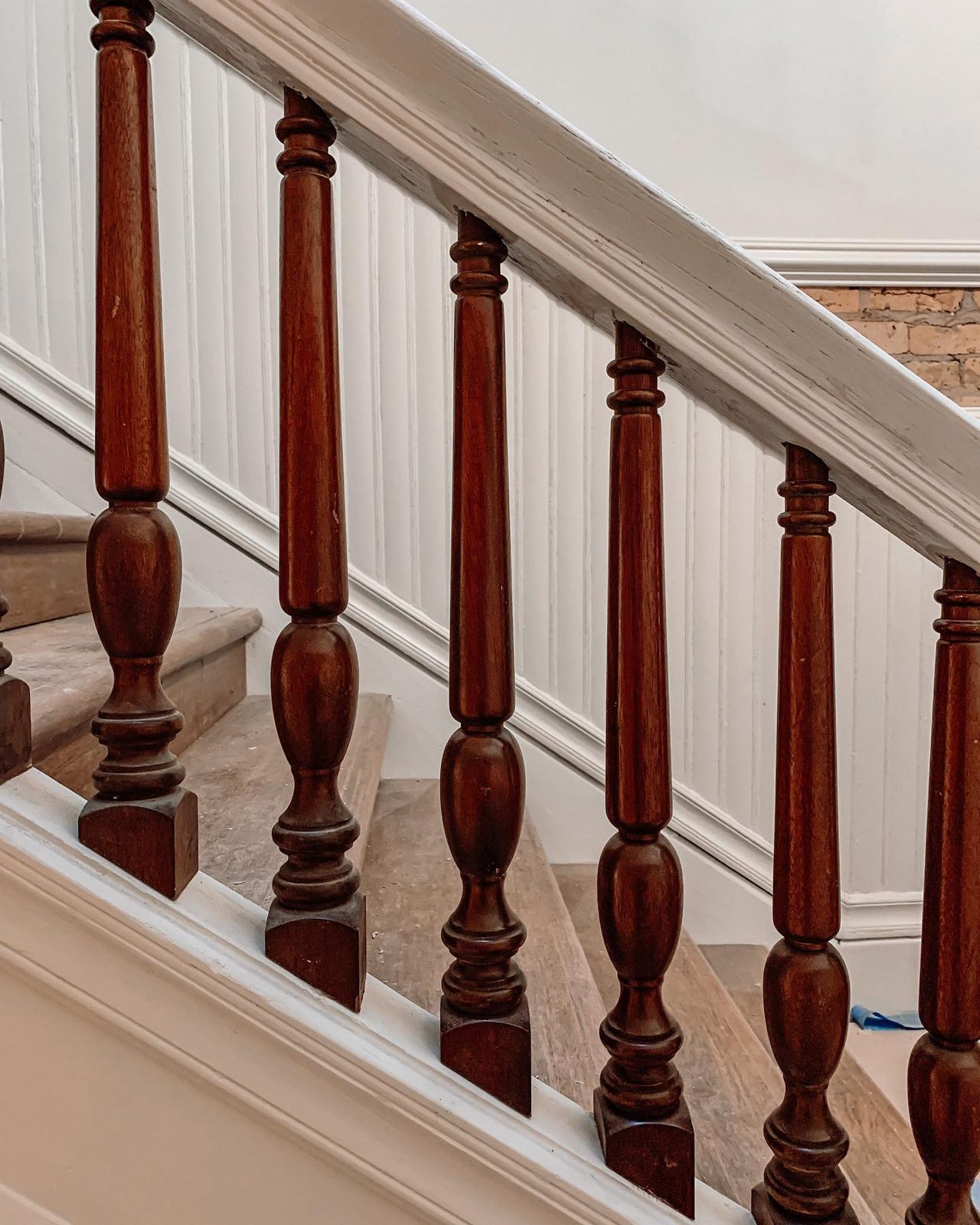
After the fire it sat abandoned for three winters with no roof. The basement stood under water. The grand staircase was rained and snowed on for three years. The boiler froze and split. If you have ever wondered why so few 1880s buildings are still standing in a downtown, that is the answer: the gap between "endangered" and "gone" is usually about three winters wide.
What closed that gap here was not an award. It was the City prioritising the building, a grassroots campaign, and Council Member Lisa Goodman, who is credited with saving the Oaklands from demolition — and who is credited with saving a number of other Minneapolis buildings besides. The full demolition story is here, and the list of people who actually did the rebuilding is longer than you would expect.
So what did it actually get?
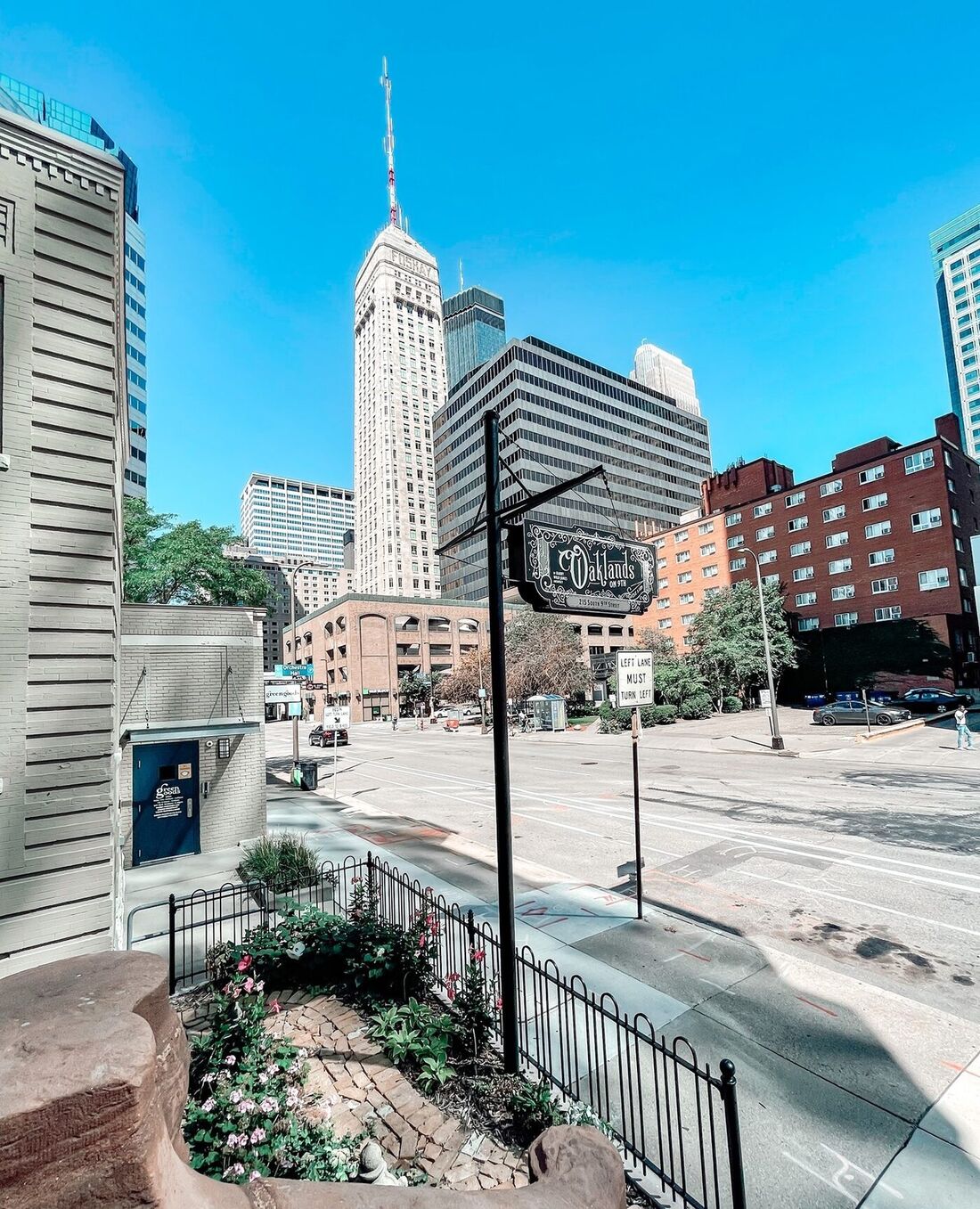
A historic designation, and a plaque. The marker was unveiled at a small gathering in June 2022, and it stands in the garden beside the front steps, where you walk past it on your way in. It is a quieter thing than an award and it lasts longer.
The work the judges were looking at
It is worth knowing what was on the table, because most of it is still here and you can put your hand on it during a stay.
- Sixty-five windows, restored start to finish over roughly eighteen months by one craftsman, who pulled the destroyed sashes, restored the brick moulding and sills, and set the new windows in.
- More than four thousand pounds of lime mortar, mixed on site to match the soft original mix rather than a modern cement one — the difference between a wall that breathes and a wall that spalls. The National Park Service’s preservation briefs explain why that choice matters more than it sounds.
- The grand staircase, rebuilt with parts donated from the Grand Hotel around the surviving original woodwork.
- One original door, still hanging in its original opening — the coal-room door, now the electrical room. In a building this age, one is remarkable.
All of that is written up properly in the restoration post and in the piece on what was salvaged from the fire. It was, by the team’s own count, only the third renovation in the building’s hundred-and-thirty-year history.
The people whose names are not on a plaque
Awards go to projects. Buildings get saved by particular people. Liz VanDam, the leading historian of the Oaklands’ architect, Harry Wild Jones, designed the history display that runs down the main hallways. Kathleen Bell, an archivist and genealogist, dug out the original owner and discovered he had lived in the house right next door. Mina Adsit was the project architect. And a craftsman named Will did the windows, the mortar and most of the reclaimed woodwork. You can read the history you can actually see while staying here if you want the walking version.
Why it matters to a guest
Because you are not looking at the restoration from the sidewalk. You are sleeping inside it. The Oaklands is now furnished studios you can take by the night, the week or the month, with no contract to sign, all utilities and WiFi included, free laundry around the clock, and pet-friendly rooms in every tier. The Good, Better and Best studios differ mostly in space and view. The skyway is a short walk from the front door — the building is not skyway-connected, and we would rather say so than let you find out in February.
If historic buildings are the reason you are coming to Minneapolis at all, there is more of it nearby: the Pillsbury Club in the 1916 Charles S. Pillsbury Mansion, 300 Clifton in Loring Park, and Minneapolis Trolley Tours, which will drive you past a great deal of what did not survive. The National Trust for Historic Preservation keeps the national version of the endangered list, and the Mill City Museum is the best hour you can spend on why this city looks the way it does.
Come and see the thing that did not win
Book a night, a week or a month at secure.webrez.com/hotel/3097, or call us at (612) 314-5124 and we will talk you through the studios. Walk past the plaque on your way in, and have a proper look at the staircase.
Keep reading: Can You Use the Minneapolis Central Library If You Don’t Live Here?